
Benefits Of Updating Your Network Equipment
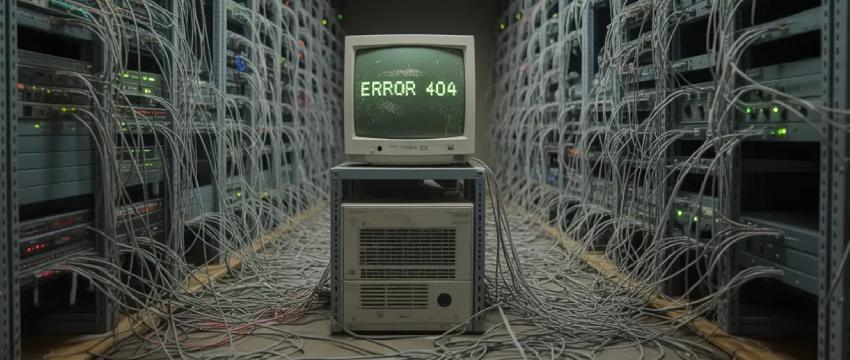
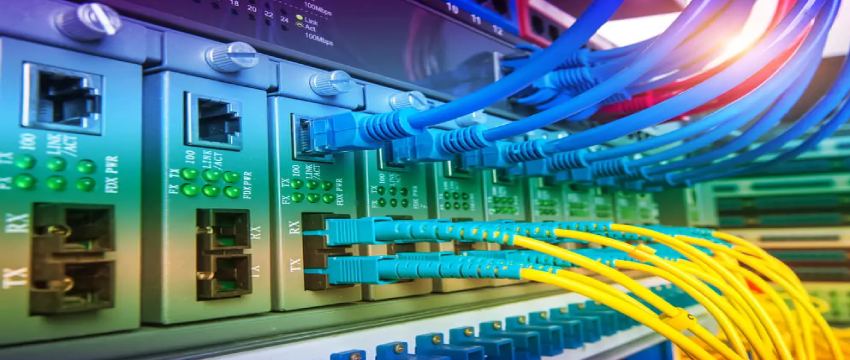
Keeping a company’s IT infrastructure up to date is essential for maintaining performance, security, and long-term scalability. Among the most critical components of this infrastructure are network routers and switches. These devices form the backbone of communication within an organization, directing traffic efficiently and securely. Updating them regularly offers several key benefits that directly impact business operations.
One of the most important advantages of upgrading routers and switches is improved network performance. Modern devices are designed to handle significantly higher data throughput, lower latency, and increased device density compared to older models. As businesses adopt cloud services, video conferencing, and data-heavy applications, outdated hardware can quickly become a bottleneck. Newer equipment ensures smoother data flow, faster connections, and better support for bandwidth-intensive tasks, ultimately improving employee productivity.
Security is another major reason to update network hardware. Cyber threats continue to evolve, and older routers and switches may lack the advanced security features needed to defend against modern attacks. Updated devices often include built-in protections such as improved encryption standards, intrusion detection systems, and automated threat response capabilities. Additionally, manufacturers regularly release firmware updates for newer models, helping organizations stay protected against newly discovered vulnerabilities. Relying on outdated hardware increases the risk of breaches, data loss, and costly downtime.
Reliability and reduced downtime are also significant benefits. Aging network equipment is more prone to failures, which can disrupt business operations and lead to financial losses. Newer routers and switches are built with improved components and redundancy features, ensuring more stable performance. Many modern devices also offer predictive maintenance capabilities, alerting IT teams to potential issues before they cause outages. This proactive approach minimizes disruptions and keeps business operations running smoothly.
Scalability is another key factor. As companies grow, their network requirements expand. Updated routers and switches are designed to accommodate this growth, supporting more users, devices, and locations without compromising performance. They also integrate more easily with emerging technologies such as Internet of Things (IoT) devices, software-defined networking (SDN), and hybrid cloud environments. Investing in modern hardware ensures that the network can evolve alongside the business rather than holding it back.
Energy efficiency is often an overlooked advantage of upgrading network equipment. Newer devices are typically designed to consume less power while delivering better performance. This not only reduces operational costs but also supports sustainability initiatives by lowering the organization’s overall energy footprint. Over time, these savings can be substantial, especially for larger enterprises with extensive network infrastructure.
Finally, updating routers and switches simplifies network management. Modern devices often come with centralized management platforms, intuitive interfaces, and automation capabilities. These tools allow IT teams to configure, monitor, and troubleshoot the network more efficiently. Automation reduces the likelihood of human error and frees up valuable time for strategic initiatives rather than routine maintenance.
In conclusion, regularly updating company routers and switches is not just a technical upgrade it is a strategic investment. Enhanced performance, stronger security, greater reliability, improved scalability, energy efficiency, and simplified management all contribute to a more resilient and future-ready network. Organizations that prioritize these updates position themselves to operate more efficiently and compete more effectively in an increasingly digital world.