
Multi-Factor Authentication (MFA) Protects Your Organizations Cybersecurity
In today’s digital landscape, cyber threats are more sophisticated and frequent than ever, putting sensitive business data at significant risk. Multi-factor authentication (MFA) has emerged as one of the most effective tools to enhance cybersecurity and protect organizations from unauthorized access. By requiring users to provide multiple forms of verification before gaining access to systems, MFA strengthens security and significantly reduces the likelihood of breaches.
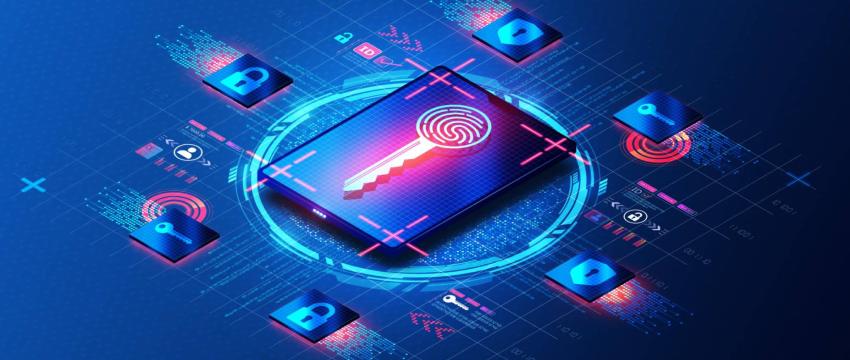
The primary way MFA protects organizations is by adding additional layers of defense beyond traditional passwords. Passwords alone are often insufficient because they can be stolen, guessed, or compromised through phishing attacks. MFA requires users to provide at least two different types of verification: something they know (like a password or PIN), something they have (such as a smartphone or hardware token), or something they are (biometric verification like fingerprints or facial recognition). Even if a password is stolen, an attacker would still need the second form of authentication to gain access, making unauthorized access much more difficult.
MFA also helps prevent credential-based attacks, which are among the most common causes of data breaches. Cybercriminals often exploit weak, reused, or stolen passwords to infiltrate business systems. With MFA in place, the risk associated with compromised credentials is greatly reduced because possession of the password alone is not enough to gain entry. This is especially important for remote work environments where employees access company systems from multiple locations and devices, increasing the potential attack surface.
Another important benefit of MFA is its role in protecting sensitive data and intellectual property. Organizations often store confidential information, including financial records, client data, and proprietary research, in digital systems. A single compromised account can lead to significant data loss or theft. By implementing MFA, businesses can ensure that even if login credentials are exposed, unauthorized parties cannot access critical systems, maintaining data integrity and confidentiality.
MFA also contributes to regulatory compliance. Many industries, including healthcare, finance, and government, are subject to strict data protection regulations that require robust security measures to protect sensitive information. Implementing MFA can help organizations meet these compliance requirements, reducing the risk of fines, penalties, and reputational damage.
Additionally, MFA provides enhanced visibility and monitoring for IT teams. Many MFA solutions include features that alert administrators to suspicious login attempts, such as attempts from unfamiliar devices or locations. This allows organizations to detect potential security incidents early and respond proactively before a breach occurs.
User adoption of MFA is also increasingly simple and cost-effective. Modern solutions support mobile devices, authentication apps, SMS verification, and biometrics, allowing organizations to implement strong security without significant disruption to user experience. Education and training ensure that employees understand the importance of MFA and use it consistently.
In conclusion, multi-factor authentication is a critical cybersecurity measure that provides multiple layers of protection for organizations. By going beyond passwords, MFA safeguards against credential theft, protects sensitive data, ensures regulatory compliance, and enables proactive monitoring of potential threats. In an era where cyberattacks are becoming increasingly sophisticated, implementing MFA is a strategic and effective way for organizations to strengthen their cybersecurity posture and protect their most valuable digital assets.