
On-Premise vs Cloud IP-PBX: Choosing the Best VoIP Solution
Businesses looking to modernize their communication infrastructure often face a key decision: whether to deploy an on-premise IP-PBX VoIP system or move to a cloud-based solution. Both options have distinct advantages, and understanding the differences can help organizations maximize efficiency, control costs, and improve scalability.
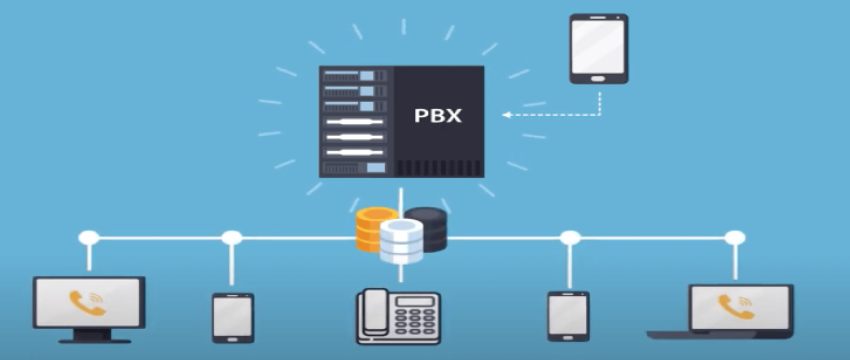
An on-premise IP-PBX system is installed locally within a company’s infrastructure. It provides direct control over hardware, software, and network configurations. One of the primary benefits of an on-premise deployment is complete ownership of data and security. Organizations can implement robust firewalls, encryption, and internal access controls to safeguard sensitive communications. This makes on-premise solutions particularly appealing for industries with strict regulatory requirements, such as healthcare, finance, or government sectors.
Cost-wise, on-premise IP-PBX systems typically involve a higher upfront investment. Businesses must purchase servers, IP phones, and licensing, and may also incur installation costs. However, ongoing operational expenses are often lower compared to subscription-based cloud services. For organizations with predictable growth and stable communication needs, the long-term savings of an on-premise solution can outweigh initial expenditures. Additionally, businesses retain full control over system upgrades and maintenance schedules, avoiding dependency on third-party providers.
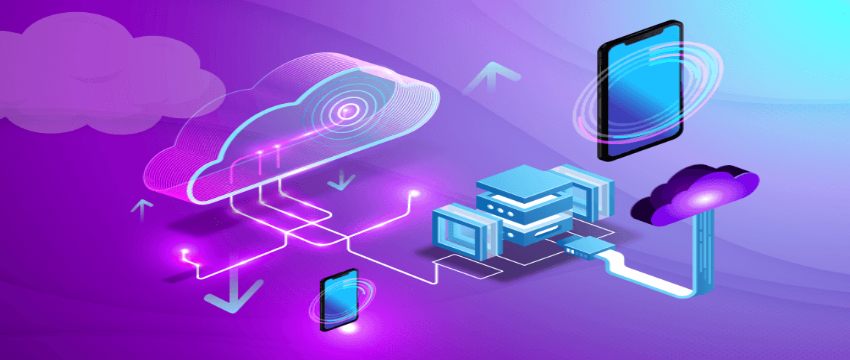
In contrast, a cloud-based IP-PBX VoIP solution is hosted by a third-party provider and accessed via the internet. This eliminates the need for extensive on-site hardware and reduces upfront capital costs. Cloud solutions operate on a subscription model, which provides predictable monthly expenses. For small to medium-sized businesses or those with fluctuating communication requirements, cloud-based VoIP offers exceptional flexibility. Companies can scale up or down effortlessly, adding or removing extensions without significant infrastructure changes.
Cloud IP-PBX systems also offer rapid deployment and ease of management. Because the provider handles hardware, software updates, and security, businesses can focus on operations rather than system maintenance. Features such as call routing, voicemail-to-email, conferencing, and mobile access are often built-in, allowing teams to stay connected from anywhere, including remote and hybrid work environments. This makes cloud solutions ideal for geographically distributed organizations.
Despite the advantages of cloud solutions, businesses may face some limitations in control and data ownership. Because the system is managed externally, companies must rely on the provider for security, compliance, and uptime guarantees. Internet connectivity is critical; outages can disrupt service, whereas on-premise systems may offer more resilience in localized network failures.
Ultimately, the choice between on-premise and cloud IP-PBX VoIP depends on business priorities. Organizations that value control, security, and long-term cost savings may prefer an on-premise deployment. Those seeking flexibility, lower upfront costs, and minimal IT management may find cloud-based solutions more suitable. Some companies even adopt a hybrid approach, combining on-site hardware for critical operations with cloud-based extensions for remote or temporary staff.
In conclusion, both on-premise and cloud IP-PBX VoIP systems provide robust communication capabilities and operational benefits. Understanding the differences in cost, control, scalability, and maintenance requirements allows businesses to select the right solution. By carefully evaluating their needs, organizations can deploy a VoIP system that enhances efficiency, reduces costs, and supports growth in today’s dynamic work environment.