
File Server Benefits For Your Business

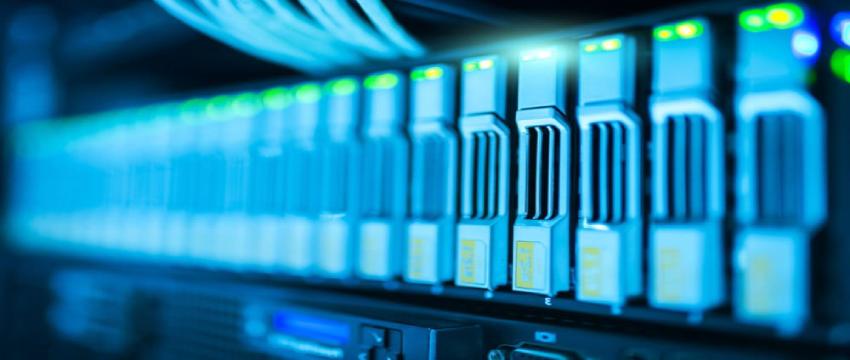
In today’s data-driven business environment, the ability to store, manage, and access information efficiently is essential for success. A data file server plays a central role in achieving this by providing a dedicated system for storing and sharing files across an organization. Rather than relying on individual computers or scattered storage solutions, a file server centralizes data, offering numerous benefits in terms of organization, security, and productivity.
One of the most important advantages of a data file server is centralized storage. By keeping all business files in a single, managed location, organizations can eliminate the confusion and inefficiencies that come with decentralized data. Employees no longer need to search through multiple devices or email threads to find important documents. Instead, they can quickly access the files they need from a shared system, improving workflow and saving valuable time.
Improved collaboration is another key benefit. A file server allows multiple users to access and work on documents simultaneously, depending on permissions. Teams can share files and ensure that everyone is working with the most up-to-date versions. This reduces duplication, prevents version conflicts, and enhances overall teamwork. For businesses with remote or hybrid work environments, a file server ensures consistent access to shared resources regardless of location.
Security is a critical consideration for any organization, and a data file server provides strong protections for sensitive information. Administrators can set access permissions based on roles, ensuring that employees only have access to the data necessary for their job functions. Features such as encryption, audit logs, and user authentication help safeguard data from unauthorized access. In addition, centralized security policies make it easier to enforce compliance with industry regulations and internal standards.
Data backup and recovery capabilities are also significantly improved with a file server. Regular backups can be automated, ensuring that important information is protected against accidental deletion, hardware failure, or cyberattacks. In the event of data loss, files can be restored quickly, minimizing downtime and disruption to business operations. This level of reliability is essential for maintaining continuity and protecting critical assets.
Another major benefit is scalability. As a business grows, so does its data. A file server can be expanded to accommodate increasing storage needs without requiring a complete overhaul of the system. This flexibility allows organizations to plan for future growth while maintaining efficient data management practices. Whether adding new users, departments, or large volumes of data, a file server can adapt to changing requirements.
Performance and efficiency are also enhanced. File servers are designed to handle high volumes of data access and transfer, ensuring fast and reliable performance. Unlike individual workstations, which may struggle with large files or multiple users, a dedicated server can manage these demands effectively. This leads to smoother operations and less frustration for employees.
Centralized management is another advantage. IT administrators can monitor usage, manage permissions, and maintain the system from a single interface. This simplifies maintenance tasks such as updates, security checks, and troubleshooting. By reducing the complexity of managing multiple storage locations, businesses can operate more efficiently and reduce the risk of errors.
Finally, a data file server supports better data organization and governance. Structured folder systems, naming conventions, and access controls help maintain order and consistency. This makes it easier to locate information, track changes, and ensure that data is handled responsibly.
In conclusion, a data file server is a vital component of a modern business infrastructure. By providing centralized storage, enhanced security, improved collaboration, reliable backups, and scalability, it enables organizations to manage their data more effectively. Investing in a file server not only improves daily operations but also supports long-term growth and success.