
VoIP vs. Legacy Phone Systems: Save Costs and Boost Efficiency
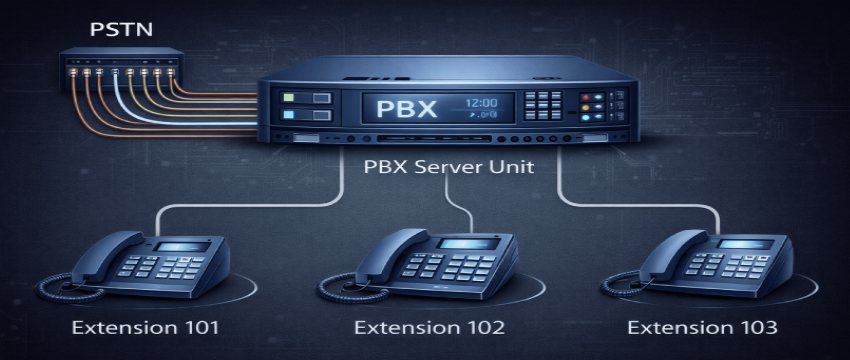
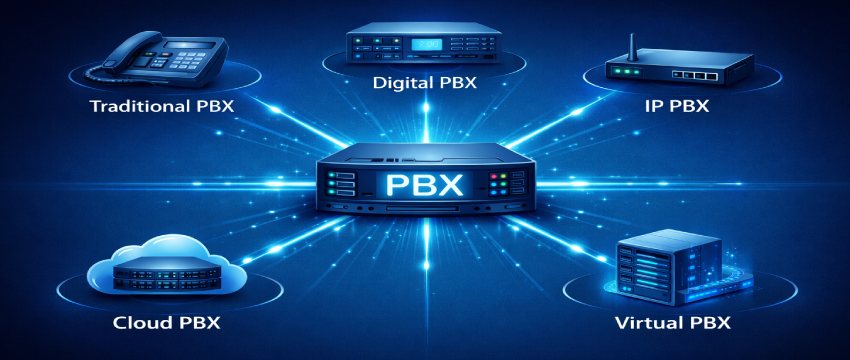
Businesses today are constantly seeking ways to reduce costs and improve operational efficiency. One area where organizations can achieve significant savings is in their telephony infrastructure. Traditional legacy phone systems, such as PBX or analog lines, are expensive to install, maintain, and expand. By contrast, modern VoIP (Voice over Internet Protocol) telephony systems provide a cost-effective, scalable, and feature-rich alternative that delivers measurable annual savings.
One of the most immediate financial benefits of VoIP is reduced call costs. Legacy phone systems typically charge high fees for long-distance, international, or even internal calls between branches. VoIP telephony uses internet connections to route calls, which often results in free internal communication and significantly lower rates for external calls. Organizations that make frequent international or long-distance calls can see substantial annual savings, often amounting to thousands of dollars.
Hardware costs are also lower with VoIP systems. Traditional PBX systems require dedicated, often proprietary hardware and complex wiring for each extension. Upgrading or expanding the system can be expensive and time-consuming. VoIP telephony, on the other hand, can operate on standard servers, cloud-based platforms, or even existing computers. IP phones and softphones are affordable, easy to deploy, and allow businesses to add extensions or move employees without rewiring. Over time, these lower upfront and maintenance costs contribute to significant annual savings.
Operational efficiency is another area where VoIP outperforms legacy systems. VoIP platforms include a wide range of features that legacy phones cannot provide or would require costly add-ons for, such as automated call routing, voicemail-to-email, conference calling, call recording, presence indicators, and unified messaging. These features streamline communication, improve customer service, and reduce the administrative burden on IT staff. Employees can manage their own extensions and settings, minimizing downtime and the need for specialized technical support.
Scalability is also a major advantage of VoIP systems. Legacy phone networks are limited by physical infrastructure, requiring additional lines and hardware for each new extension. In contrast, VoIP systems can easily scale to accommodate growth. Adding new users, branch offices, or remote workers is straightforward, with IP phones and softphones deployable anywhere with an internet connection. This flexibility supports modern work environments, including remote and hybrid teams, without incurring high incremental costs.
Security and data control are additional benefits. While some may assume VoIP is less secure, modern VoIP systems offer encryption, VPN support, and firewall integration to protect sensitive communications. Hosting an in-house VoIP system also provides full control over call data, ensuring compliance with regulations and maintaining organizational privacy.
Finally, the savings from VoIP extend beyond direct cost reductions. Increased productivity, simplified system management, and reduced downtime contribute to both operational efficiency and financial performance. Businesses can redirect resources saved from telephony expenses into other strategic initiatives, further increasing ROI.
In conclusion, switching from a legacy phone system to a VoIP telephony platform offers substantial annual savings and operational benefits. By reducing call costs, minimizing hardware expenses, enabling scalability, and improving communication efficiency, VoIP provides a modern, cost-effective alternative that aligns with the needs of growing and dynamic organizations. Businesses that adopt VoIP not only save money but also gain a more flexible, feature-rich, and future-proof communication system.