
Understanding the Different Types of Cybersecurity Threats
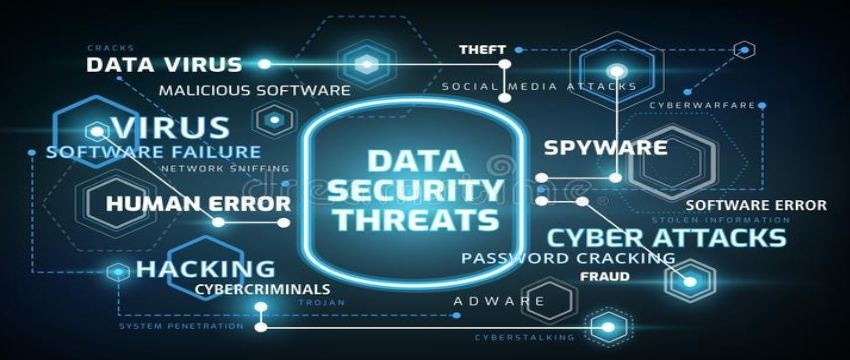

In today’s digital world, organizations and individuals face an ever-expanding range of cybersecurity threats. From sophisticated attacks targeting large corporations to opportunistic scams aimed at individuals, understanding the various types of threats is critical for building effective defenses and maintaining security. Cybersecurity threats can compromise sensitive information, disrupt operations, and cause financial and reputational damage.
One of the most common types of threats is malware. Short for “malicious software,” malware includes viruses, worms, trojans, ransomware, spyware, and adware. Malware infiltrates systems to steal data, damage devices, or gain unauthorized access. Ransomware, for example, locks users out of their systems or encrypts critical files until a ransom is paid, making it one of the most disruptive forms of malware.
Phishing attacks are another widespread cybersecurity threat. Phishing involves tricking individuals into revealing sensitive information such as passwords, credit card numbers, or login credentials. Attackers often use emails, messages, or websites that appear legitimate to deceive victims. In recent years, phishing has evolved into spear phishing and whaling attacks, which target specific individuals or executives to increase the likelihood of success.
Social engineering is a related threat that relies on manipulating people rather than exploiting software vulnerabilities. Attackers may impersonate colleagues, IT staff, or trusted entities to gain access to confidential information. Social engineering can occur through phone calls, emails, or even in-person interactions, making awareness and training critical defenses.
Denial-of-Service (DoS) and Distributed Denial-of-Service (DDoS) attacks pose another significant risk. These attacks flood servers, networks, or websites with excessive traffic, overwhelming systems and causing service interruptions. While DoS attacks typically originate from a single source, DDoS attacks use multiple compromised systems to magnify the impact. Organizations reliant on online services are particularly vulnerable to these disruptions.
Insider threats are cybersecurity risks that come from within an organization. Employees, contractors, or partners with access to sensitive systems may intentionally or unintentionally compromise security. Insider threats can include stealing data, installing malware, or mishandling confidential information. Strong access controls, monitoring, and employee training help mitigate these risks.
Advanced Persistent Threats (APTs) represent highly sophisticated, long-term attacks, often conducted by nation-state actors or organized cybercriminal groups. APTs target high-value assets, including intellectual property, sensitive government data, or critical infrastructure, using stealthy methods to maintain access over extended periods. Detection is challenging, requiring advanced security tools and continuous monitoring.
Credential-based attacks, including brute force and password spraying, exploit weak or stolen login credentials to gain unauthorized access to systems. With the proliferation of cloud services and remote work, securing user identities through strong passwords, multi-factor authentication, and identity management solutions has become essential.
Lastly, IoT and cloud-related threats are emerging as critical risks. Connected devices often have limited security protections, making them attractive targets for attackers. Similarly, misconfigured cloud services or APIs can expose sensitive data and provide attackers with unauthorized access to systems.
In conclusion, cybersecurity threats come in many forms, from malware and phishing to insider threats and sophisticated nation-state attacks. Organizations must adopt a multi-layered security strategy, including technical defenses, employee training, and continuous monitoring, to effectively mitigate these risks. Understanding the variety of threats is the first step toward building a resilient cybersecurity posture and protecting digital assets in an increasingly connected world.